

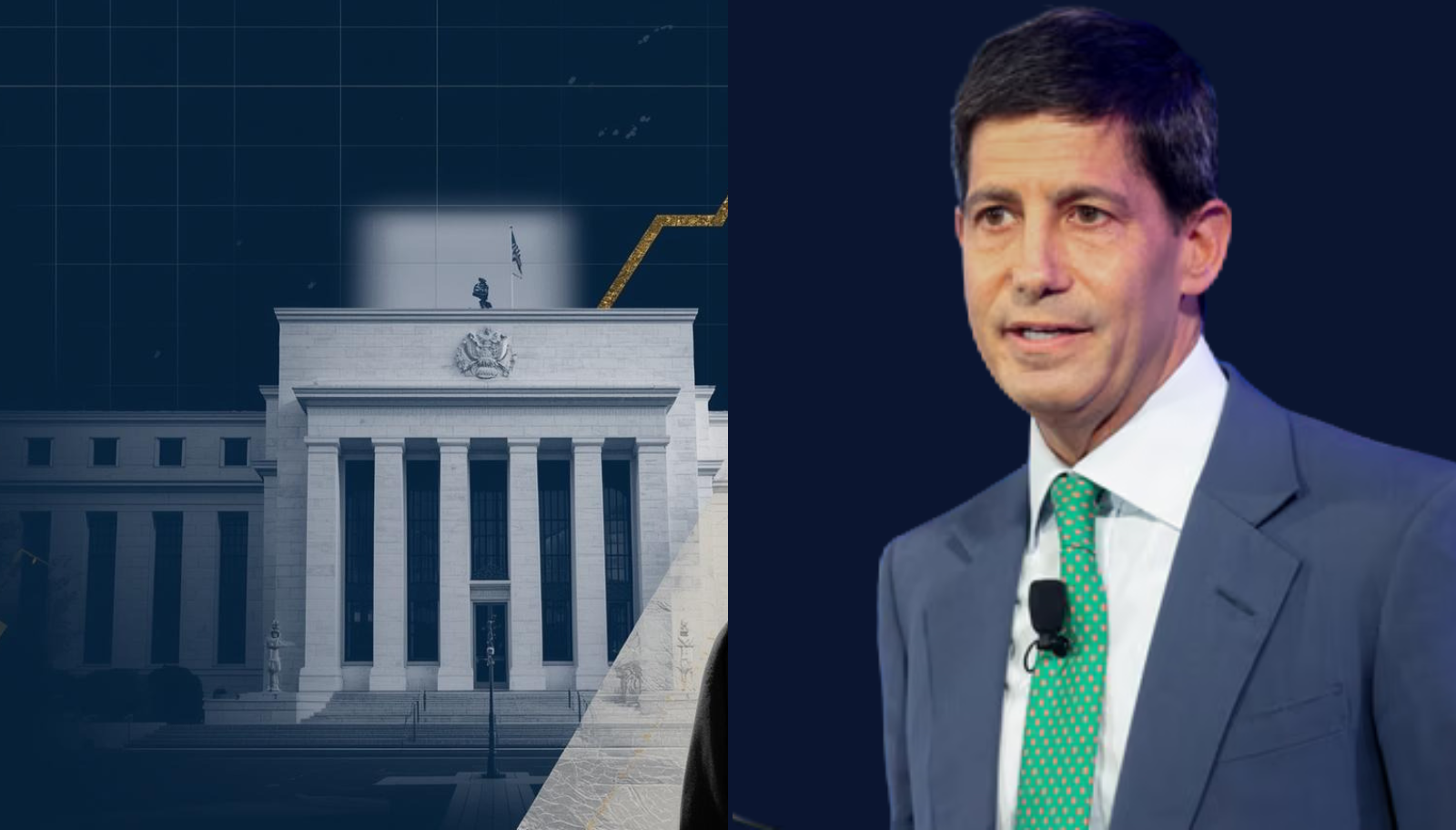
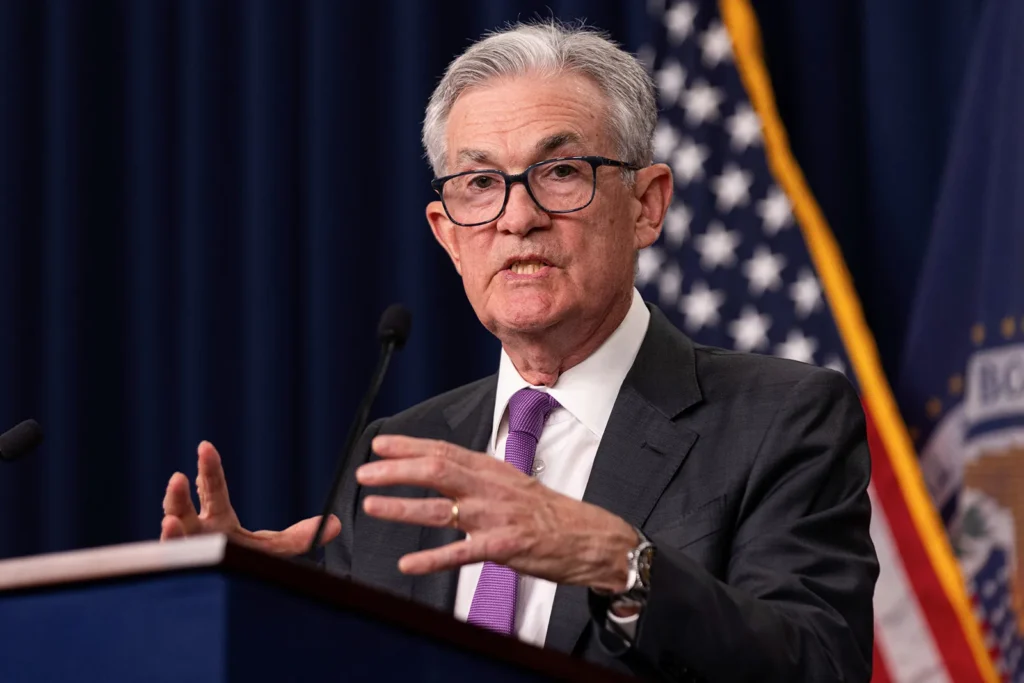
U.S. monetary policy is approaching a pivotal moment in early 2026. President Donald Trump has nominated former Federal Reserve governor Kevin Warsh to succeed Jerome Powell as chair when Powell’s term ends in May. The potential leadership shift comes as policymakers confront a complicated economic backdrop marked by 2.7% inflation, a stagnant labor market, and a federal funds rate held at 3.5%–3.75%.
Warsh’s nomination has raised expectations of a significant shift in how the Federal Reserve manages its $6.6 trillion balance sheet and communicates with global markets. Analysts say the change could influence borrowing costs, asset prices, and investor sentiment throughout the year.
A Market Veteran With a Reform Agenda
Warsh, 55, served on the Fed’s Board of Governors from 2006 to 2011 and was the youngest governor in the institution’s history. During the 2008 financial crisis, he acted as a liaison between the central bank and major financial institutions, helping to stabilize market confidence.
Today, he is frequently described as a “growth-oriented hawk.” While advocating for a smaller Fed balance sheet, Warsh has also signaled openness to lower interest rates, arguing that advances in artificial intelligence could drive a new wave of productivity growth. In his view, stronger output could allow faster economic expansion without reigniting inflation.
The “Warsh Shock” and Market Volatility
Financial markets reacted quickly to the nomination, particularly in commodities tied to inflation expectations. Investors who had anticipated a more dovish successor to Powell were caught off guard by Warsh’s emphasis on structural reform.
Precious metals saw steep declines in late January and early February of 2026 in what some traders labeled the “Great Metal Flush.” Gold retreated from around $5,600 to $4,700, while silver dropped from roughly $121 to $77 per ounce. Bitcoin, often described as “digital gold,” fell nearly 40% from late-2025 highs, marking its sharpest drawdown since 2022.
The sell-off suggested a broader reassessment of the “easy money” narrative that has shaped markets for more than a decade. Investors are now weighing the prospect of selective rate cuts against tighter liquidity conditions if the Fed reduces its role in bond markets.
Balance Sheet Normalization at the Center
At the core of Warsh’s policy vision is a push to scale back the Fed’s asset holdings. In a recent Wall Street Journal opinion piece, he described the current balance sheet as a relic of crisis-era policies that distort credit markets.
His proposed approach blends hawkish discipline with tactical flexibility:
- Accelerated Quantitative Tightening (QT): Faster reductions in Treasury and mortgage-backed securities holdings.
- Shorter Portfolio Duration: A shift toward shorter-term assets to limit the Fed’s influence on long-term borrowing costs.
- Rate Flexibility: Warsh argues that shrinking the balance sheet could restore policy credibility, potentially allowing lower short-term rates without undermining inflation control.
Implications for Bonds and Housing

Bond markets have already begun adjusting to the possibility of a policy shift. By early February, the 10-year Treasury yield had climbed to 4.277%, while the 30-year yield approached 4.90%, reflecting a bear-steepening yield curve.
For housing markets, the outlook is mixed. Lower short-term rates could ease financing conditions, but reduced Fed purchases of mortgage-backed securities may keep long-term mortgage rates elevated. Analysts at Realtor.com warn that rising term premiums could offset the benefits of any policy easing for prospective homebuyers.
Political and Institutional Challenges
Warsh’s path to the chairmanship remains uncertain. His nomination must pass a Senate confirmation process complicated by political disputes, including investigations tied to the Fed’s headquarters renovation. Senator Thom Tillis has suggested he may delay proceedings until those issues are resolved.
Even with confirmation, Warsh would face an ideologically divided Federal Open Market Committee. Some policymakers, including Governor Christopher Waller and several regional presidents, have defended the “ample reserves” framework introduced after the 2008 crisis. Any significant shift in policy direction would require broad consensus within the committee.
A Defining Year for Policy Direction
Warsh’s nomination represents more than a change in leadership; it signals a potential evolution in the Fed’s policy framework. His approach combines skepticism toward large-scale balance-sheet expansion with openness to targeted rate adjustments to sustain growth.
As the confirmation process unfolds, markets are likely to react not only to economic data but also to the tone and clarity of Federal Reserve communication. For investors and policymakers alike, 2026 may become a defining year in the transition away from crisis-era monetary policy toward a new phase of central banking strategy.
