

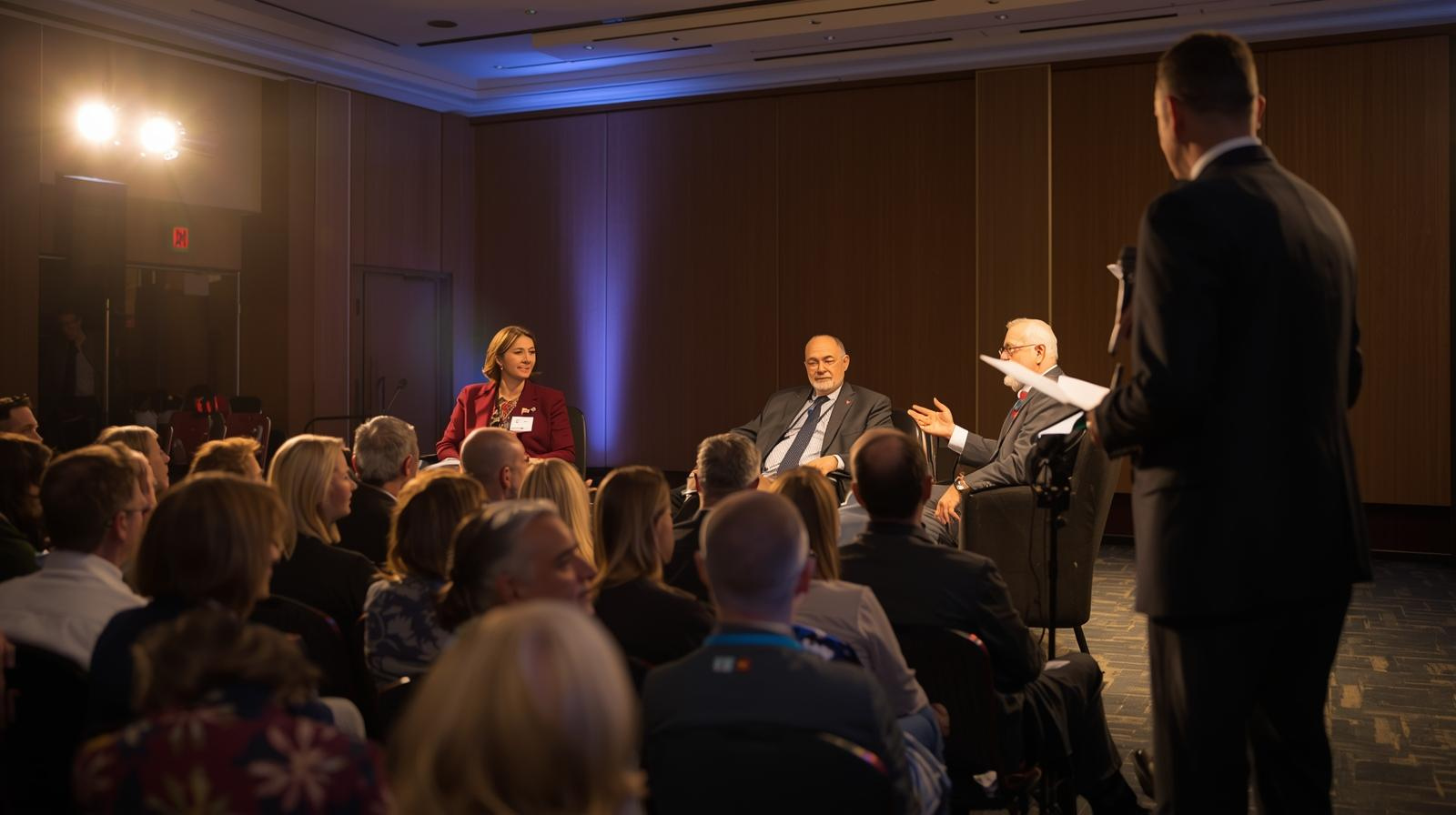
Event and program coordination in higher education often looks effortless from the outside. A research symposium runs smoothly, a donor reception feels welcoming, or a student conference ends with engaged conversations. But behind that experience is a quiet architecture of planning, communication, and decision-making that few participants ever see.
In an industry where 71% of event professionals rank budgeting and logistics as their top stressors, success is rarely about flashy execution. It is about consistency, clarity, and the ability to remain calm under pressure. Universities, in particular, add another layer of complexity — shared governance, institutional policies, and diverse stakeholders who bring different expectations to every event.
Drawing from both professional experience and industry research, these core skills continue to define what makes an effective event coordinator in a higher education setting.

Event Management as Strategic Project Leadership
At its core, coordination is project management. Academic events require detailed timelines, stakeholder alignment, and constant logistical oversight. A coordinator must move between big-picture planning and minute operational details, often managing multiple projects simultaneously.
Research from the Project Management Institute (PMI) shows that organizations that undervalue project management as a strategic competency experience 67% more project failures. In higher education, where events represent institutional reputation, this risk becomes even more significant.
Strong coordinators don’t simply plan schedules; they anticipate friction points. Run-of-show documents, technology checks, and contingency plans help transform abstract academic ideas into measurable outcomes.
Communication That Bridges Academic departments
Universities are complex ecosystems. Faculty members, administrators, vendors, and students often operate within separate spheres, each with its own language and priorities. The coordinator becomes the bridge between expectations and execution.
Research on workplace communication estimates that misunderstandings and a lack of clarity cost large organizations an average of $62.4 million per year in lost productivity. While universities may not measure communication failure in dollars alone, the consequences — confusion, delays, and reputational risk — are just as real.
Effective coordinators translate complexity into clarity. They distill long email threads into actionable steps, ensure that speakers understand logistics, and align teams long before an event begins.

Budgeting, Compliance, and Administrative Stewardship
Behind every successful event lies invisible administrative work: tracking budgets, processing invoices, managing contracts, and ensuring compliance with institutional policies. Financial stewardship is not just a technical requirement — it is central to institutional trust.
In nonprofit and higher education sectors, transparency and administrative accuracy remain among the strongest factors influencing donor confidence and stakeholder retention. Coordinators who maintain clear documentation and responsible budgeting help programs grow sustainably rather than relying on short-term success.
Relationship Building and Collaborative Leadership
Unlike corporate environments where authority structures may be more hierarchical, universities rely heavily on collaboration. Coordinators must build relationships across departments, gaining trust from faculty committees, development offices, student groups, and external partners.
Relationship-building allows coordinators to move projects forward even without formal decision-making power. Listening carefully to academic priorities while balancing operational realities becomes an essential leadership skill.
Technology Fluency and Hybrid Event Skills
Higher education events increasingly rely on digital infrastructure—from project management platforms like Asana and CRM systems such as Salesforce to virtual meeting tools like Zoom and hybrid event platforms like Cvent. Coordinators who understand these systems help deliver seamless participant experiences while strengthening data tracking and reporting. Technology also expands access. Hybrid and virtual formats enable institutions to reach global audiences, making technical fluency a core competency rather than an optional skill.

Adaptability and Cognitive Flexibility
No event unfolds exactly as planned. Speakers cancel flights, microphones fail, or weather disrupts carefully structured schedules. CareerCast has frequently ranked “Event Coordinator” as one of the top 10 most stressful jobs because of its high-stakes, real-time demands. Psychological research highlights cognitive flexibility — the ability to shift between ideas and adapt quickly — as a defining trait of professionals who thrive in dynamic environments. Effective coordinators don’t panic when problems arise. They pivot quietly, ensuring that participants remain focused on the experience rather than the disruption.
Organization and Systems Thinking
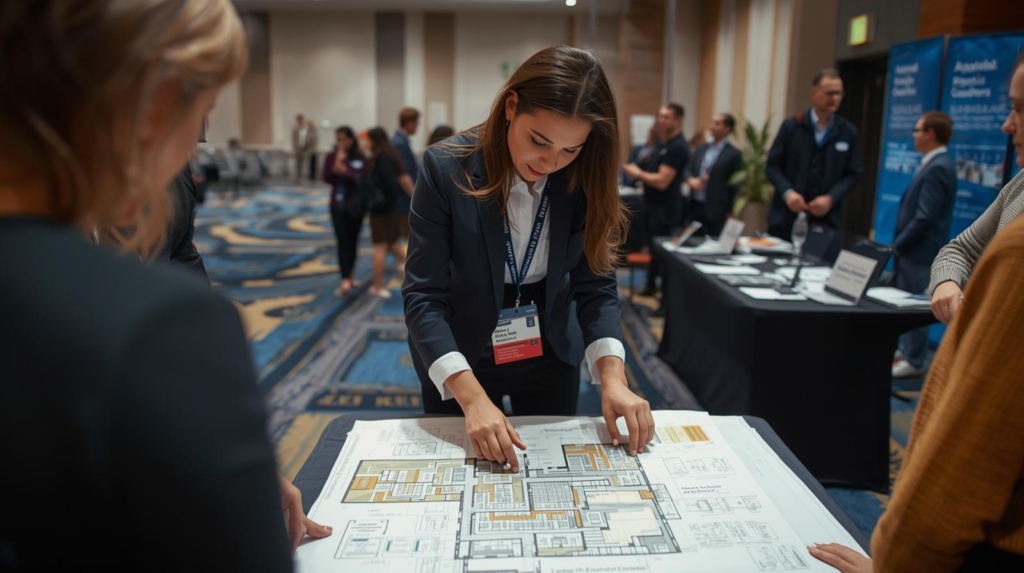
Details shape how participants remember an event. Accurate registration lists, correct name tags, clear signage, and well-timed breaks all contribute to the overall impression.
The behavioral psychology concept known as the “Peak-End Rule” suggests that people evaluate experiences largely based on their most memorable moment and how the experience ends. A late lunch or missing link can disproportionately affect how an otherwise successful program is remembered.
Strong coordinators rely on systems — checklists, templates, and structured workflows — to reduce errors and maintain consistency.
Audience-Centered Design
Academic events are ultimately about people. Coordinators who understand participant needs — accessibility considerations, cultural nuances, or time constraints — design programs that feel inclusive and purposeful. Small details, such as thoughtful seating arrangements or clear program flow, can significantly shape how attendees engage with content.

Storytelling and Institutional Alignment
Events are more than gatherings; they are storytelling platforms. Whether highlighting research achievements or fostering alumni engagement, coordinators help institutions communicate their mission. Aligning programming with strategic goals ensures that events contribute to long-term institutional impact rather than existing as isolated activities.
The Bigger Picture: Challenges That Shape the Role

While these skills form the foundation of effective coordination, the higher education environment presents unique challenges. Coordinators often work within layered approval structures, balancing academic priorities with administrative processes that can slow decision-making. Limited budgets and staffing constraints require creativity and efficiency, even as expectations for high-quality programming continue to grow.
There is also a quiet paradox to the role: when events run smoothly, the work behind them becomes almost invisible. Success is measured not by attention but by the absence of problems — a standard that demands both resilience and humility.
Final Thought
Event and program coordination in higher education is not just logistical work; it is institutional stewardship. Coordinators manage resources responsibly, build bridges across departments, and create spaces where learning and community can thrive.
These skills may not always be visible, but when they come together — strategic planning, clear communication, adaptability, and attention to detail — they make everything else possible.