

By Artha Journal
New York- The Trump administration delivered a 15-point ceasefire proposal to Iran this week, and rather than walk away, Tehran responded with a list of demands of its own — a sign that some form of diplomatic channel, however contested, now exists between the two countries at war.
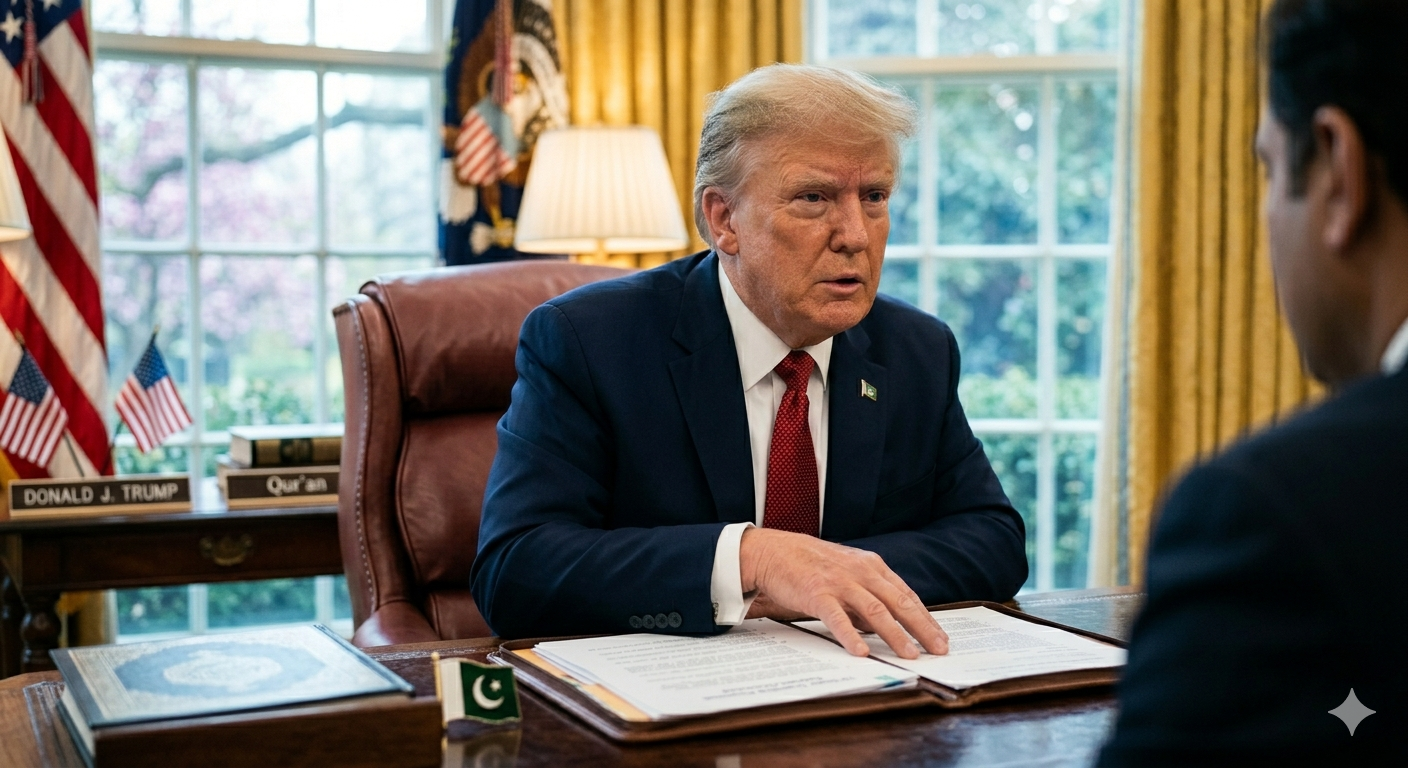
The plan, transmitted through Pakistan, broadly covers the terms Washington has sought since the conflict began on February 28: a rollback of Iran’s nuclear program, limits on its ballistic missile capabilities, the cessation of support for regional armed groups, and the reopening of the Strait of Hormuz. In exchange, the U.S. has offered sweeping sanctions relief and assistance developing civilian nuclear energy, according to PBS NewsHour.
Iran’s response was pointed. Tehran laid out five conditions for ending the war: a full halt to U.S. and Israeli military operations; binding mechanisms to prevent the war from being reimposed; payment of war reparations; a simultaneous end to fighting across all regional fronts, including for allied militia groups; and Iranian sovereignty over the Strait of Hormuz. A senior Iranian official described the American proposal as “extremely maximalist and unreasonable,” Al Jazeera reported. Tehran also posted to X that it — not Washington — would decide when and how the war ends.

The two governments can’t even agree on whether they’re talking. Trump has publicly said negotiations are underway and cited that as his reason for holding back threatened strikes on Iranian energy infrastructure. Iran has consistently denied any direct talks are taking place, with one official suggesting to Axios that the diplomatic push may be a cover as the U.S. continues sending thousands of additional troops to the region. Pakistan, which is hosting the back-channel, and China have both urged Tehran to engage, with Beijing telling its Iranian counterpart that talking is preferable to continued fighting.
On Capitol Hill, the Senate voted for a third time to block the president from continuing military operations without formal congressional authorization. The measure failed along largely partisan lines, with Senator Rand Paul of Kentucky the sole Republican in favor, The Hill reported. Paul, a consistent critic of the war, has pointed to a price tag exceeding $12 billion and a national debt that crossed $39 trillion last week.
