

By Artha Journal
President Trump stepped back from the edge of a major military escalation Tuesday night, agreeing to suspend attacks on Iran for two weeks after Pakistan brokered a last-minute diplomatic opening — a stunning reversal that sent Wall Street futures sharply higher and oil prices tumbling.
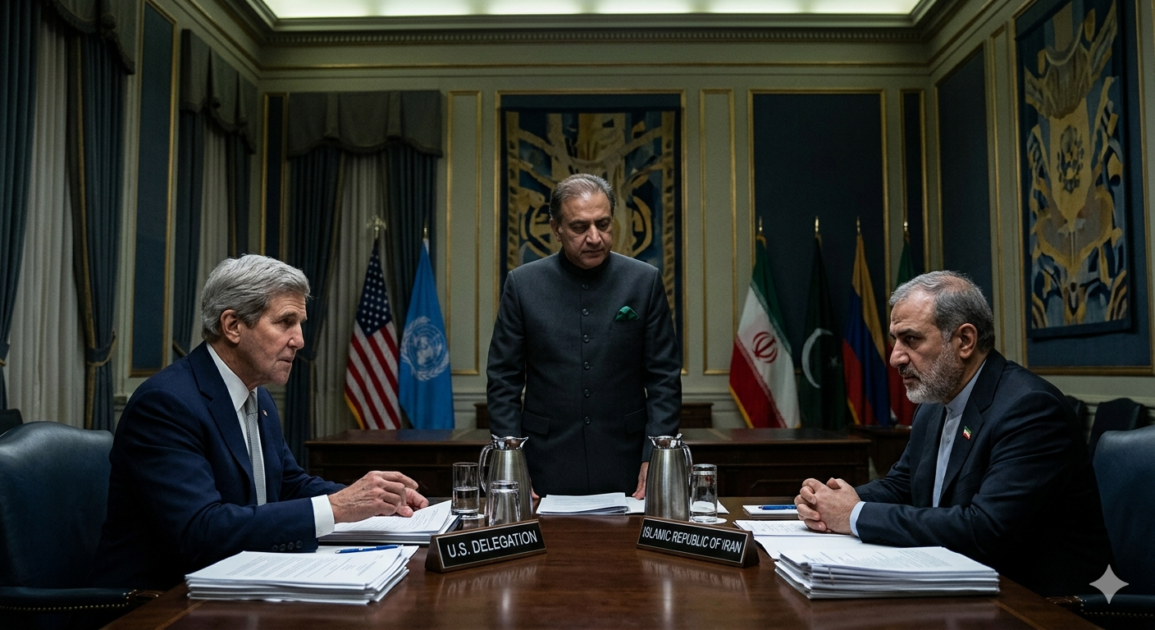
The agreement came just hours before Trump’s self-imposed 8 p.m. ET deadline, which had threatened to trigger what the president himself described as catastrophic strikes on Iranian civilian infrastructure. Trump said he had agreed “to suspend the bombing and attack of Iran for a period of two weeks,” contingent on Iran reopening the Strait of Hormuz, NBC News reported.
Tehran confirmed it would comply. Foreign Minister Abbas Araghchi said Iran would allow safe passage through the strait for two weeks under coordination with Iranian armed forces, and would halt military operations as long as it is not attacked.The deal was shaped almost entirely by Pakistani Prime Minister Shehbaz Sharif, who hours earlier had publicly called on Trump to stand down. Trump wrote on Truth Social that Iran had submitted a 10-point peace proposal he described as “a workable basis on which to negotiate,” and that “almost all of the various points of past contention” had been resolved, Axios reported. Formal peace talks between the two sides are expected to begin Friday in Islamabad, with Vice President Vance likely leading the U.S. delegation.
Dow Jumps 1,000 Points, Oil Plunges 15% on Iran Truce News
The shift in tone was stark. Earlier in the day, Trump had warned that “a whole civilization will die tonight, never to be brought back again” if no deal was reached — a threat that drew swift condemnation from legal experts and foreign governments alike, NPR reported.Markets wasted no time pricing in relief. S&P 500 futures surged more than 2.5% after the announcement, Dow futures spiked by roughly 1,000 points, and Nasdaq 100 futures jumped nearly 3%, according to NBC News.During the regular session, stocks had spent most of the day in the red. The S&P 500 had fallen as much as 1.2% before erasing those losses by the close, Bloomberg reported.
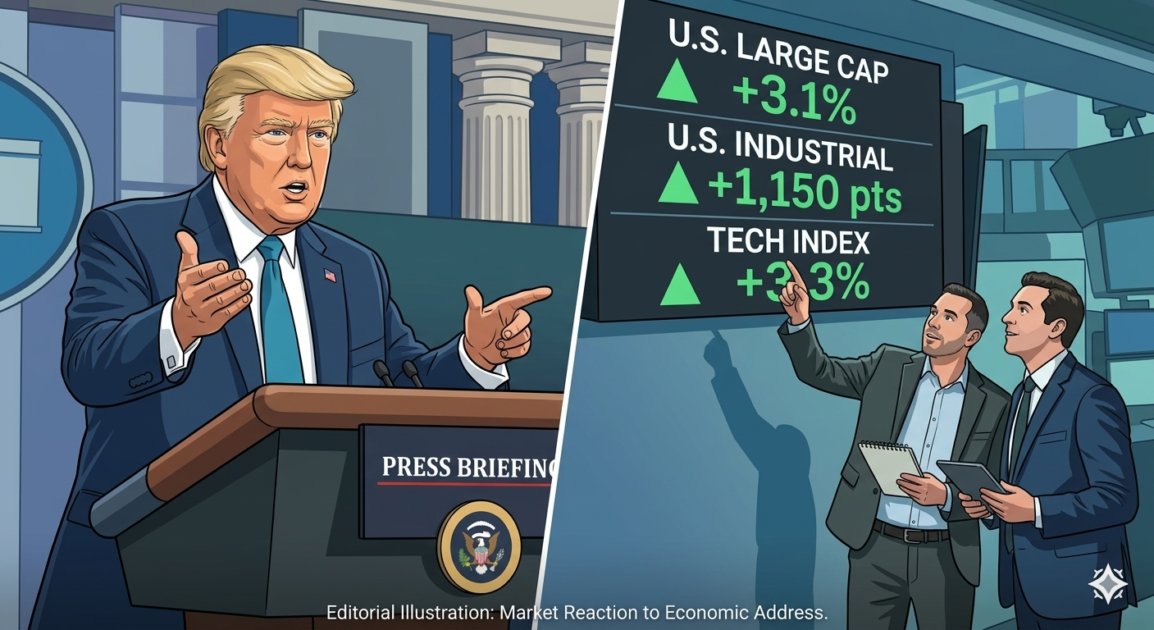
The energy market swung even more dramatically. U.S. crude oil futures plunged more than 15% to $96.27 a barrel — a stunning drop after oil had traded as high as $117 earlier in the day — while Brent crude fell 14.4% to $93.48, the Associated Press reported.Gold jumped 2.5%, silver rose 4.6%, and Treasury yields fell — all signs that investors were, at least temporarily, exhaling, per NBC News.
The optimism extended across the Pacific. Japan’s Nikkei rose more than 4%, and South Korea’s Kospi gained 6% as Asian trading got underway, the AP reported.
Still, analysts and officials urged caution. Israeli officials remained skeptical, privately warning that the breakthrough could unravel quickly if Iran does not visibly move to reopen the strait, PBS NewsHour reported.The war, which began in late February, has killed thousands and caused the largest disruption to global oil markets in modern history. Whether two weeks of diplomacy can translate into a lasting settlement remains deeply uncertain.
