

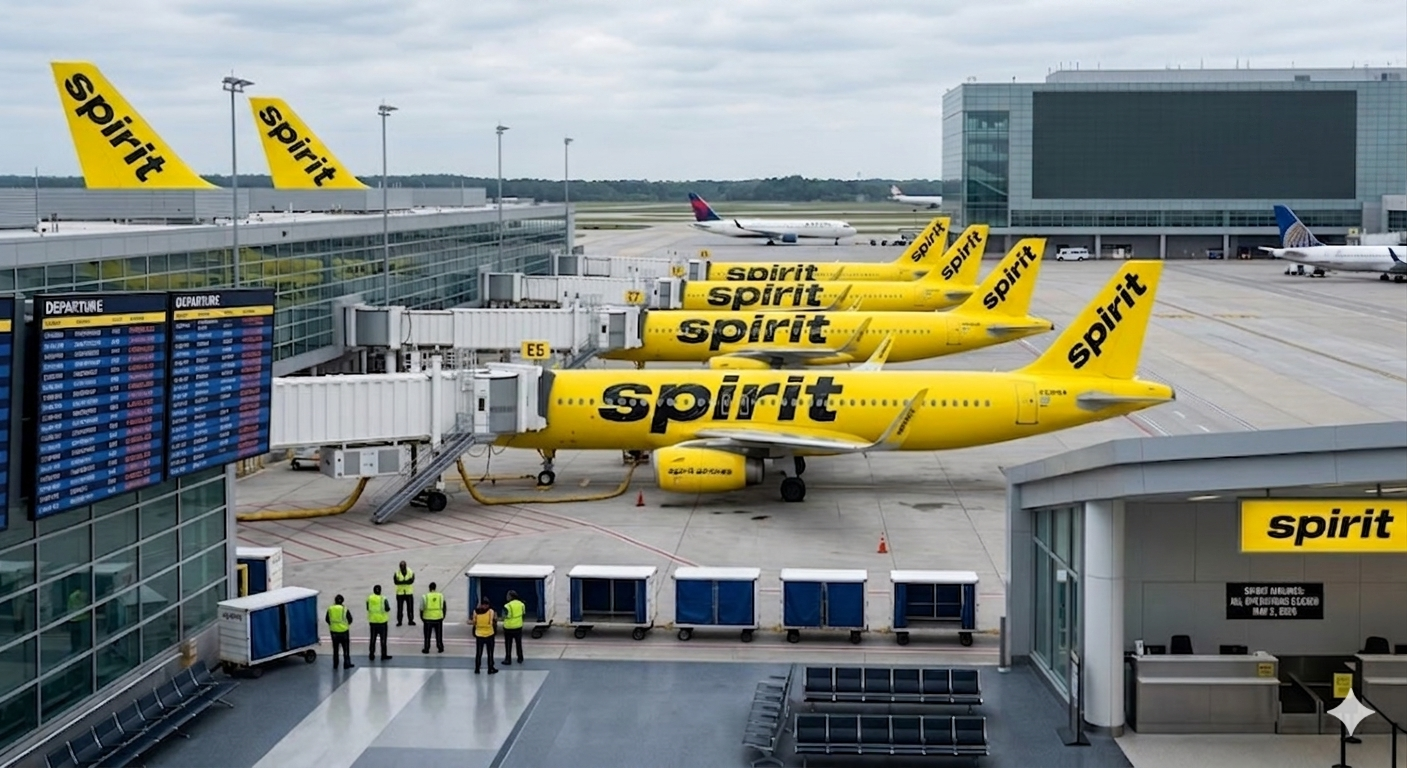
Around 11:30 p.m. on Friday, May 1, senior managers at Spirit Airlines gathered staff at the carrier’s Orlando operations center and delivered the news: flying would stop at 3 a.m. A dispatcher who had worked at the company for 23 years sent a final message to a pilot still in the air. “UNOFFICIALLY WE STOP FLYING AT 0300 EST ON 05/02,” he typed via the cockpit alert system. By morning, departure boards at LaGuardia showed nine Spirit flights — to Texas, Florida, Michigan, the Carolinas — each marked simply: cancelled.
So ended 34 years of the most polarizing airline in American aviation. Spirit was the first major U.S. carrier in 25 years to go out of business due to financial failure, putting 17,000 workers out of jobs. It had filed for bankruptcy twice, survived a pandemic, and watched a lifeline merger get blocked in court. But the seeds of its collapse were planted long before any of that.
From Gambling Charters to “Bus Routes with Wings”
Spirit did not begin as an airline. It began in 1983 in Macomb County, Michigan, when an entrepreneur named Ned Homfeld took over a small charter tour operator and renamed it Charter One. The business model was narrow: hire turboprop aircraft and fly gamblers from Detroit, Chicago, and Boston to Atlantic City, Las Vegas, and the Bahamas. It was a bus route with wings, profitable enough to survive but modest in ambition.
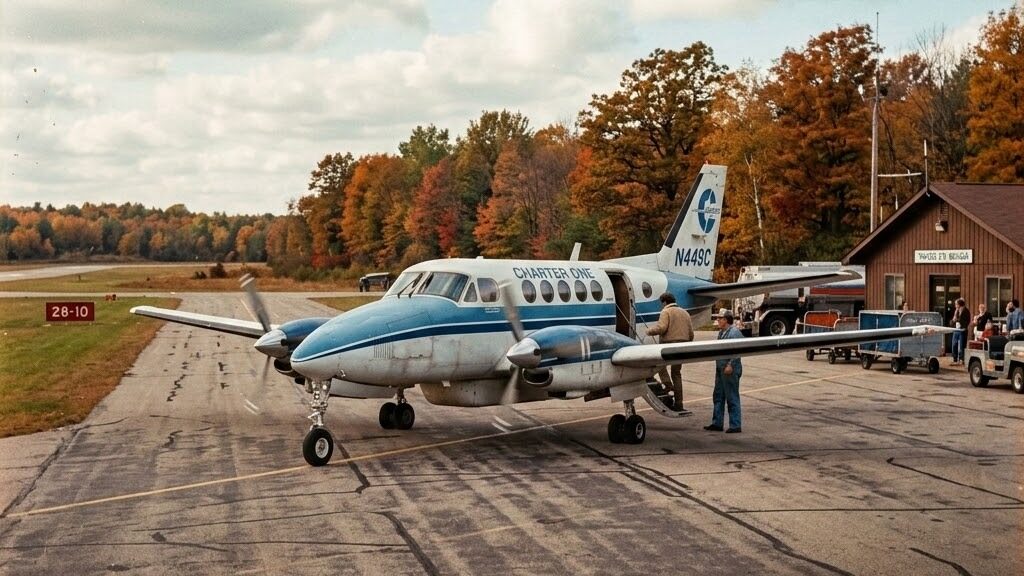
Charter One leased its first two planes in 1990 and, two years later, added jet aircraft to its fleet. On June 1, 1992, it flew its first scheduled passenger service — Detroit to Atlantic City — and changed its name to Spirit Airlines. Florida routes followed in 1993. Philadelphia in 1994. The airline grew steadily through the late 1990s, expanding hubs and adding routes across the eastern seaboard, eventually moving its headquarters to the Fort Lauderdale area in 1999 to be closer to its most profitable leisure markets.
The turning point came in 2005, when Ben Baldanza was hired as president with a mandate to make the company consistently profitable. Two years later, Spirit began its formal transition to an ultra-low-cost carrier model: strip the base fare to the absolute minimum, then charge separately for everything else — carry-on bags, seat assignments, printed boarding passes, snacks. Ancillary fees would eventually exceed 40 percent of total revenue. It was a radical restructuring of how Americans thought about buying a plane ticket, and it worked.
From a Michigan charter service hauling gamblers to Atlantic City, to America’s fastest-growing airline — and then to nothing.
The Dollar General of the Skies
By the early 2010s, Spirit was the fastest-growing airline in America — a distinction it held despite, or perhaps because of, being one of the most complained-about. In 2014, Baldanza appeared on NPR’s Planet Money and offered a description of his airline that became something of an industry legend: “We’re Dollar General. That’s what we are. We’re not even Walmart. We’re Dollar General. And we like being Dollar General because we save people lots of money.”
The math behind that boast was real. Spirit flew planes fuller than almost anyone in the industry — load factors routinely above 80 percent. It held costs down by operating a single aircraft type, retiring older jets in favor of a uniform Airbus A320 family fleet. In 2010, it became the first U.S. airline to charge passengers for carry-on bags, a move that drew outrage but was quickly copied by competitors. The unbundling model, once radical, became industry standard.
At its peak in 2019, Spirit carried 33.8 million passengers and posted $3.8 billion in total operating revenue. It was the seventh-largest passenger carrier in North America and the continent’s largest ultra-low-cost carrier. A February 2020 fleet plan outlined 293 aircraft by 2027. Spirit had made flying accessible to millions of Americans who could not otherwise afford it, and the industry had taken notice.
How the Model Came Undone
The pandemic was the first blow. Demand for air travel collapsed in 2020, and Spirit — with its leisure-heavy customer base and no premium cabin revenue to cushion the fall — was hit hard. Passenger numbers dropped from 33.8 million to 18.3 million in a single year. The airline accepted $334 million in government pandemic relief, but the deeper damage was structural: when travelers came back, they came back changed. They were willing to pay more for comfort, reliability, and loyalty points. Spirit had none of those things to offer.
Meanwhile, the legacy carriers had spent the intervening years studying Spirit’s playbook and copying it. Delta, United, and American each introduced Basic Economy fares that matched Spirit’s lowest prices on overlapping routes. Economist Severin Borenstein of UC Berkeley noted that the legacy carriers also deepened their loyalty programs — co-branded credit cards, corporate partnerships, enhanced frequent flyer tiers — tools that smaller airlines simply could not replicate at scale. The price gap that had made Spirit indispensable quietly closed.
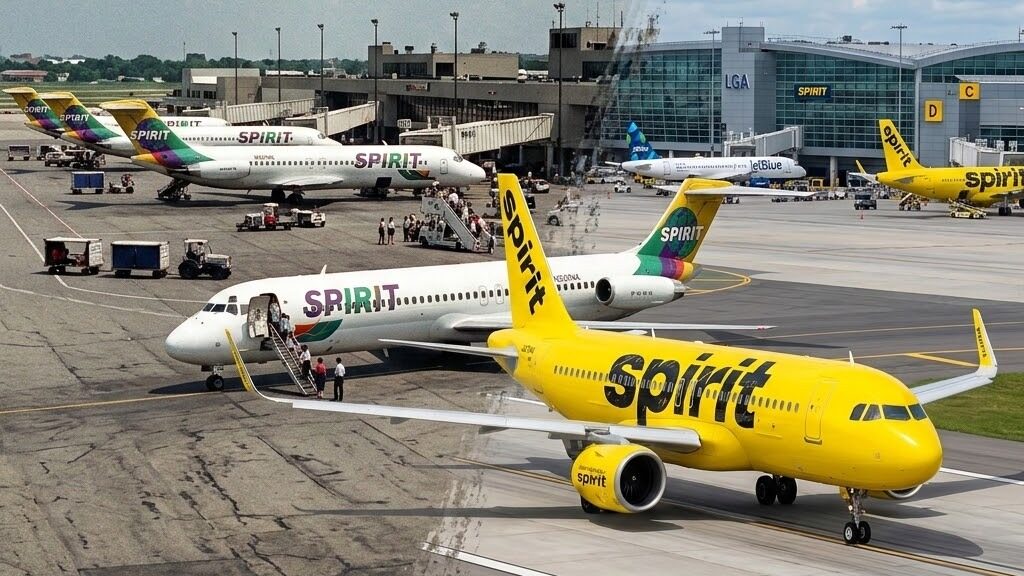
The service record made recovery impossible. JD Power’s Michael Taylor noted that a low percentage of Spirit passengers said they would fly the airline again. Airline analyst Zach Griff observed that travelers were willing to pay $30 to $60 more just to avoid a Spirit flight. Seat pitch as tight as 28 inches, charges for carry-ons most rivals offered free, and years of viral passenger complaints had cemented a reputation the airline could not outrun. As consultant Mike Boyd put it: “The day of being able to maintain business just on the basis of offering a low fare is over.”
Spirit’s best remaining option was consolidation. In 2022, it agreed to a $3.8 billion merger with JetBlue. The Department of Justice sued to block it, and a federal judge sided with the government in January 2024, ruling the deal would harm price-sensitive consumers. JetBlue walked away. Spirit filed for bankruptcy within months.
Two external shocks finished what structural decline had begun. Starting in 2023, manufacturing defects in Pratt & Whitney’s GTF engines forced a recall that grounded 39 Spirit aircraft at peak — more than any other U.S. carrier — gutting capacity at the worst possible time. Then the U.S.–Israel war with Iran sent jet fuel prices nearly doubling in under two months. NPR reported that the fuel spike was the immediate trigger for Spirit’s final collapse. Boyd’s verdict was pointed: it “just accelerated the demise of a doomed airline.”
A last attempt at a $500 million government bailout collapsed in the early hours of May 2, when key creditors refused the terms. The final Spirit Airlines flight — Detroit to Dallas–Fort Worth — touched down shortly after midnight. Cheap fares have not disappeared from American aviation. But the airline that invented modern budget flying could not survive it.
